
Veterinary Hospice: 5 Focuses for the Winter That Make a Big Difference for Aging Pets
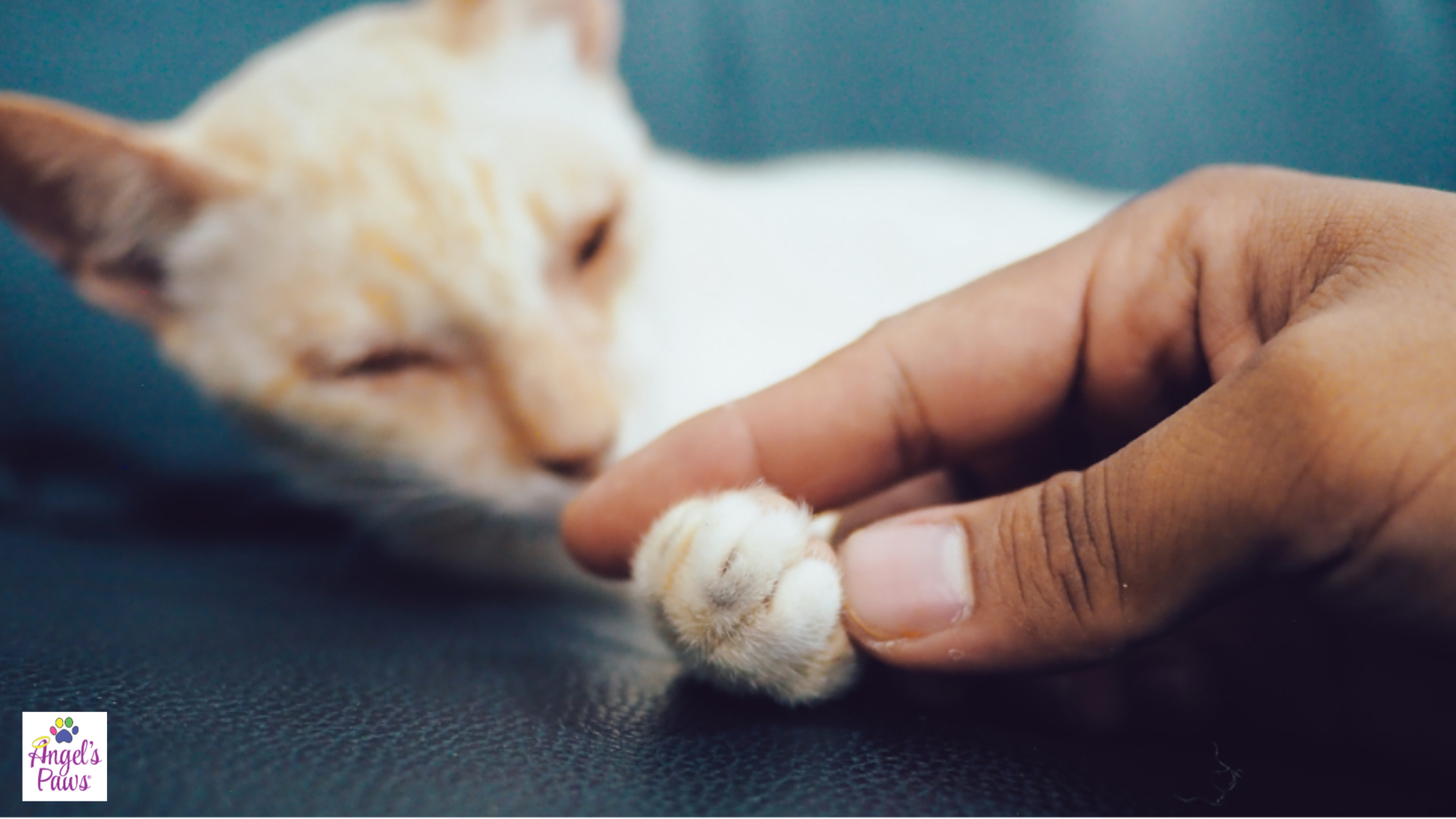
Winter brings a unique set of challenges for our beloved senior pets. As the temperatures drop and daylight wanes, families dedicated to their pet’s care often seek ways to maximize their companion animal's comfort, dignity, and quality of life. This dedication to excellence in their final chapter is the heart of pet hospice.
At Angel's Paws, we understand the profound love you have for your beloved companion, which is why we offer compassionate veterinary hospice services to support both your pet and you through this tender time. Our goal is to empower families with practical, loving, at home pet care strategies.
In this article, you will gain essential insight and veterinary hospice guidance that focuses on five small, manageable changes you can implement in your home this winter to bring significant comfort to your senior pet.
#1. Prioritize Warmth and Ease for Your Pet’s Living Space
The simplest changes can have the largest impact. For an aging pet, cold floors and drafts can intensify the discomfort of arthritis and other age-related ailments.
Elevate and Insulate: Move all pet beds away from drafty windows and exterior doors. Place a thick rug, blanket, or even a piece of insulating foam (covered with a blanket) underneath their existing bed to lift them slightly and block the cold radiating from the floor.
Targeted Warmth: Consider investing in a safe, low-wattage heated, or self-warming pet mat. Always supervise the initial use and ensure it has a proper blanket or cover. This is especially vital for hospice for cats and hospice for dogs. The gentle, constant warmth can soothe stiff joints far better than a standard blanket.
Accessibility First: Ensure the bed has low sides to make sure they can easily access the bed and move around. If your pet is struggling, a supportive orthopedic bed with memory foam can ease pressure points.
#2. Make Sure Your Home is Mobility Friendly
Navigating a home becomes more difficult for a pet experiencing loss of muscle mass, decreased vision, or mobility issues. Winter indoor living often means less time outside and more time on slippery interior floors.
Rugs and Runners are Essential: Place non-slip rugs or runners (yoga mats work great) along all high-traffic routes: from the pet's bed to the food and water bowls, and to the door they use for bathroom breaks. Focus on areas where they must turn or stop.
Paw Protection: Consider non-slip socks or bootie grips specifically designed for dogs. These can offer improved traction on tile or hardwood floors. Regularly trim the hair between their paw pads, as excessive fur can reduce grip.
Ramps Over Stairs: If your pet still attempts to use a few stairs to access a favorite spot (like the sofa or bed), install a low-incline pet ramp. This eliminates the strenuous effort and high risk of a fall, ensuring they continue to enjoy their preferred resting places.
#3. Adjust Food and Water Placement
As our pets age, their energy levels naturally decrease over time. When your furry companion’s energy begins to decline, the simple act of eating and drinking can become a taxing chore.
Elevated Bowls: Use elevated food and water bowls. This allows your pet to eat and drink without bending their neck and back, reducing strain on the joints of their neck, shoulders, and hips. This is particularly helpful for dogs larger in size.
Strategic Placement: Place food and water bowls in multiple, easily accessible locations, especially near their primary resting spot. You do not want a pet to have to walk a long distance for a drink of water, which may be discouraging if their mobility is limited.
Hydration Focus: The dry indoor air of winter can increase dehydration risk. If your pet is not drinking much, discuss adding a small amount of warm water to their food with your veterinary hospice team to help boost their fluid intake. Adding in a pet drinking fountain that continually cycles water also increases interest in hydration.
#4. Help Your Pet Maintain a Consistent Routine
The shorter days of winter can be disorienting for aging pets, many of whom may already experience cognitive decline.
Combat Sundowning: If your pet experiences confusion (sometimes called "sundowning") as daylight fades, ensure indoor areas are well-lit in the early evening. Leaving a few soft lights on can help maintain their orientation and reduce anxiety.
Maintain Routine: A consistent daily schedule is a lifeline for an aging pet. Try to maintain the same feeding, medication, and rest times. Predictability provides a deep sense of security, which is especially important during aging years or as part of your hospice plan.
Designated Relief Area: If snow, ice, or extreme cold makes outdoor bathroom breaks too difficult, establish a sheltered, easily accessible indoor or covered outdoor relief area. This might involve setting up puppy pads or an artificial grass patch in a warm, protected area.
#5. Focus on Your Final Act of Love with Your Pet
The most crucial change you can make is internal—it is the shift in how you spend time with your cherished companion.
Quality Over Quantity of Activity: Replace long, difficult walks with shorter, gentle strolls on clear pavement, or simply spend time sitting and cuddling. This gentle touch offers profound emotional comfort.
Soft Grooming: Regular, soft brushing not only keeps their coat healthy, but also serves as a bonding activity and a chance to check for sores or tender spots. For hospice for cats, a simple warm cloth wipe down can replace difficult self-grooming.
Vigilant Observation: Your role as a dedicated hospice pet advocate is to be the primary observer. Pay close attention to subtle changes in breathing, appetite, or pain signs. This detailed observation is essential for your pet care team to make timely and effective adjustments to their comfort plan.
The Angel's Paws Difference
Caring for a pet in their final chapter of life is the greatest expression of love. It is a commitment that requires support, expertise, and profound empathy.
At Angel's Paws, our experienced pet hospice team is here to guide you through every moment of this journey.
We provide comprehensive, compassionate veterinary hospice services for pets, creating an individualized comfort plan for your beloved companion. We can help you navigate medications, nutrition, pain management, and every difficult decision with dignity.
Call Angel's Paws today or visit our website to learn how we can support you and your pet during this transition.