
Pet Care: 5 Ways Weather Impacts Aging Pets
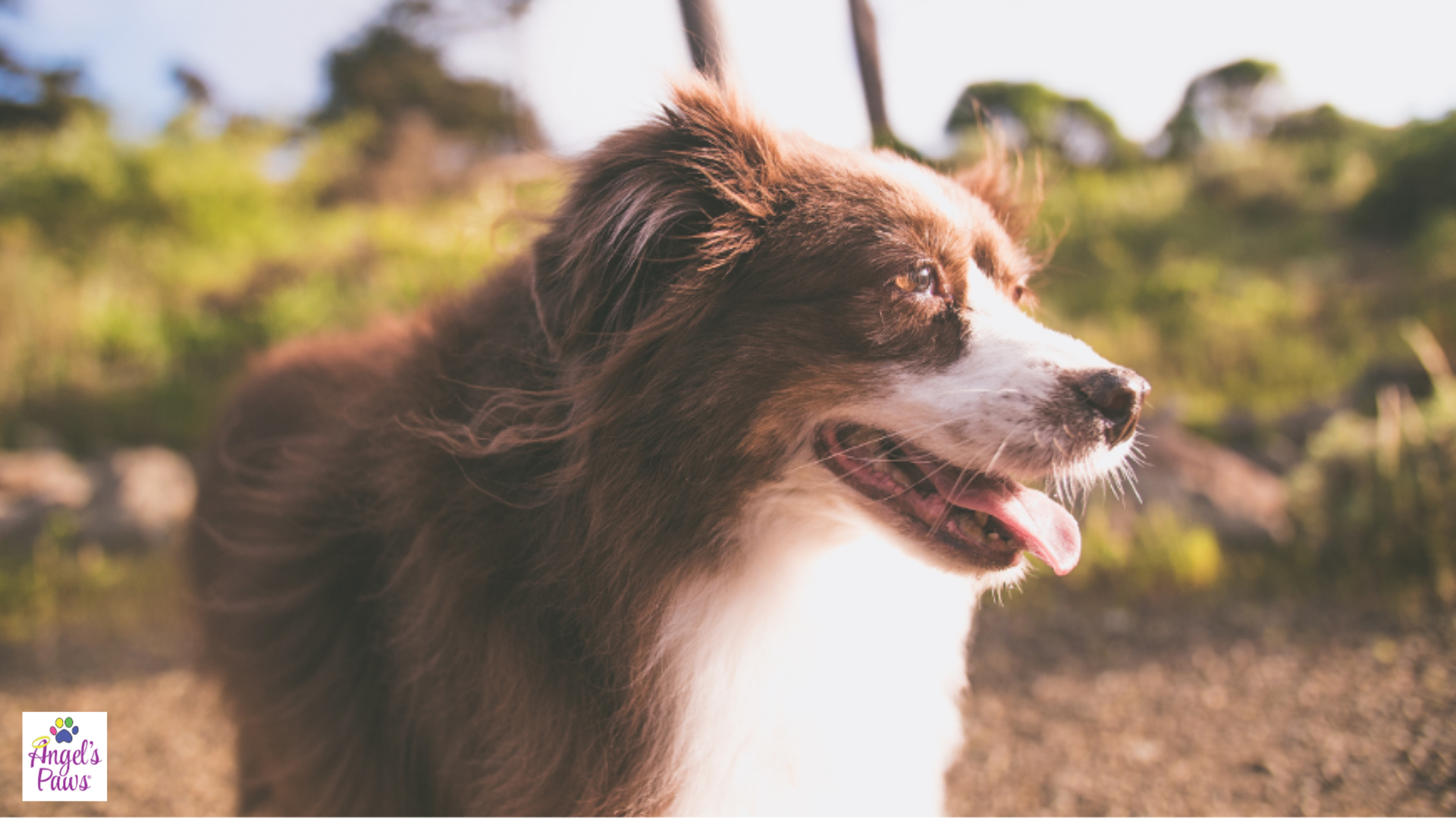
When you love a pet deeply, you embrace every stage of their life — from the playful puppy years or kitten days through the golden years of an aging pet. For families committed to pet care and ensuring comfort, dignity and respect for their beloved companion, understanding how the weather can impact older pets is especially important. As a pet journeys into its final chapter, weather conditions become more than an afterthought—they influence mobility, comfort, health risks, stroke of mood and the overall quality of remaining time together.
This article explores five major ways weather affects pets in their later years, gives guidance on how to respond with compassionate and affordable pet care, and gently leads into how to cope with the eventual pet loss and cost of end-of-life care for pets. At the end, we invite you to reach out to Angel’s Paws to learn how we support families and their aging pets through this sensitive time.
Pet Care for Aging Pets: Understanding the Basics
Your aging pet is no longer the spry young version of themselves. Their physiological reserves have changed, their mobility may be slower, their joints may ache, their ability to regulate temperature may be compromised. According to studies on aging in pets, older dogs (and cats) may lose some ability to handle sharp climate shifts, have weaker immune function, or show reduced capacity for self-regulation when weather changes. For families who observe these changes in their pet’s routine, they may begin to wonder, “How can I make their remaining time comfortable, peaceful, dignified?” Weather becomes a key dimension of that care.
When we talk about pet care under weather conditions for older pets, a few crucial themes emerge:
Monitoring environment: indoors and outdoors.
Adjusting routines: walks, activity, rest.
Recognizing signals of stress, pain or declining comfort.
Balancing affordable pet care solutions (while not compromising on kindness).
Preparing for the eventual transition and coping with the loss of a pet with grace.
In what follows, we break down five ways weather impacts aging pets, what to watch for, and how to respond as loving families.
#1. Cold Weather and Joint + Mobility Stress
When a pet reaches senior years, their muscles and joints often demonstrate deterioration: arthritis, stiffness, decreased muscle mass and slower metabolism. Cold weather can amplify these issues. Research indicates that as temperatures drop, older pets, just like people, often experience increased joint pain, stiffer movement and decreased desire to get up and walk.
Why This Happens:
Older pets have less muscle and fat padding, making them more vulnerable to cold.
Joint fluid may become thicker in colder weather, causing mobility to slow.
Pain-sensitive pets may move less, which causes more stiffness — a vicious cycle.
Outdoor surfaces (cold concrete, wet grass) may feel harsher under older paws.
What Families Can Do:
Provide a warm, draft-free resting area with soft bedding; consider a self-warming pad or blanket.
Limit long outdoor excursions when it is cold; shorter, gentler walks are better.
Offer indoor activity that encourages gentle movement — stretching, soft toys, short leash walks.
Consider a pet coat or sweater for short outdoor trips if the fur is thin.
Ask your veterinarian whether joint supplements, pain relief or therapy would be appropriate for your older pets.
Monitor mobility and behavior: reluctance to go downstairs, sleeping more, difficulty rising.
By tailoring your pet care in colder months, you help your aging pet maintain dignity and comfort rather than struggle silently.
#2. Hot Weather, Heat Stress, and Dehydration
Warm weather presents an equally serious, though different, challenge for older pets. Just as humans age, pets too lose some capacity to regulate internal temperature, and older animals often respond less effectively to heat.
Key Risks for An Aging Pet in Heat:
Reduced panting efficiency, less effective cooling.
Heart, respiratory or kidney conditions (which may develop in older age) complicate heat tolerance.
Hot surfaces (asphalt, concrete) can burn paws; pets with limited mobility may be stuck.
Dehydration risk increases, especially if a pet is sleeping more or drinking less.
Heat can worsen existing conditions, such as skin issues, fatigue or sleep disruptions.
What You Can Do for Pet Care During Hot Weather:
Ensure constant access to fresh, cool water; consider adding wet food if your pet drinks less.
Provide shaded outdoor spaces or indoor cool spots; avoid midday sun for older pets.
Use cooling mats or elevated beds that allow airflow underneath.
Avoid walking older pets during hottest hours; choose early morning or later evening.
Watch for any signs of heat distress: excessive panting, drooling, lethargy, disorientation.
Keep the indoor environment comfortable: fans, A/C, cool flooring surfaces.
By adapting your routine and environment, you extend your aging pet’s comfort and reduce the chances of heat-related decline.
#3. Storms, Barometric Pressure Changes and Anxiety
Weather is not just about temperature—it also includes storms, wind, thunder, rapid changes in barometric pressure and ambient humidity. For older pets, these can trigger anxiety, disorientation or physical discomfort.
Why Stormy Weather Impacts Aging Pets More Acutely:
Mobility limitations mean an older pet may struggle to reach their usual hiding place or safe zone.
Sudden changes in pressure or humidity can exacerbate arthritis or respiratory issues.
Pets with cognitive decline may become confused or distressed by weather-induced changes.
How Families Can Respond with Compassionate Pet Care:
Create an accessible safe zone: low-floor bedding, away from windows, with familiar blankets and toys.
Use white noise, calming music or a fan to mask thunder or wind reverberations.
When storms are forecast, proactively bring your older pet indoors, reduce exposure to outside triggers.
Monitor for increased signs of anxiety: pacing, drooling, hiding, vocalizing.
Speak to your veterinarian about comfort measures for anxiety, possibly including environmental aids or mild interventions.
Supporting your pet through weather-driven anxiety ensures they feel safe and loved — especially in the later stages of their life.
#4. Seasonal Allergies, Humidity and Respiratory Impact
As seasons shift, older pets can be more vulnerable to allergens, changes in humidity and associated respiratory or skin issues. This is an often-overlooked way that weather influences an aging pet’s well-being.
What Aging Pets Face:
Pollen, mold spores, dust mites become more impactful for pets with weaker immune systems.
High humidity or damp conditions can worsen skin irritation, joint discomfort or respiratory strain.
Dry indoor air during heating months can lead to dry skin, brittle coat or increased shedding.
Indoor/outdoor transitions may trigger coughing or sneezing in pets with compromised systems.
Compassionate Steps for Pet Care Families Can Take:
Keep bedding clean, wash blankets regularly, vacuum pet areas to reduce allergens.
During high pollen or mold days, limit outdoor time, wipe down fur and paws after excursions.
Use a humidifier or dehumidifier as appropriate: maintain moderate indoor humidity for comfort.
Monitor your older pet for changes in respiratory rate, coughing, sneezing, itchy skin or increased shedding.
Speak to your veterinarian about gentle allergy-safe grooming, skin-friendly diets or low-stress indoor activity.
These seasonal weather-linked issues may seem minor compared to major illness, but for aging pets they can impact quality-of-life — and your attention to them shows how deeply you care.
#5. Weather-Related Mobility Hazards and Environment Changes
Finally, the physical environment influenced by weather can pose hazards for older pets — icy patches, wet leaves, slippery floors, shifting lighting as seasons change. These environmental risks are especially pronounced for pets in their later years.
Typical Hazards:
Ice, snow or rain-slick surfaces make older pets with arthritis or balance issues more prone to slips or falls.
Changes in sunlight hours impact routine: longer darkness may reduce outside time; low light may impair mobility indoors.
Wet leaves, mud, frost can get trapped in fur or paws, leading to discomfort, cold stress or infections.
Surfaces indoors can be slippery (tile, wood) and older pets may struggle to get up or move safely after resting.
Preventive Measures for Families:
Use non-slip mats or rugs in areas where your pet transitions (e.g., between rooms or onto stairs).
Wipe your older pet’s paws after outdoor trips to remove moisture, salt or debris.
Adjust walks: avoid slick sidewalks or grassy slopes when the weather is poor; opt for indoor activity instead.
Ensure indoor lighting is sufficient so older pets can see their way; avoid abrupt environmental changes.
Consider raised bowls, ramps, soft beds at easy height to reduce strain and improve accessibility.
By adapting your home and routine environment to weather-driven risks, you reduce the chances of accidents and increase comfort for your aging pet.
Balancing Affordable Pet Care While Prioritizing Comfort
While the focus here is on creating the safest, most comfortable environment for an older pet, many families also face the reality of budgets and the cost of end-of-life care for pets. Here are some tips for prioritizing affordable pet care without sacrificing dignity or compassion:
Prioritize comfort enhancements (soft bedding, easy access, restful zones) over expensive décor changes.
Choose short, frequent check-ins with a veterinarian rather than waiting for major issues: catching small problems early often reduces later cost.
Ask about flexible payment plans, hospice or home-based pet care options that may be more cost-effective than full hospital stays.
Focus on quality-of-life over quantity: fewer but more meaningful moments with your pet, guided by their comfort level.
Be transparent with your care provider about your budget and concerns—they can often tailor a plan to your means while preserving dignity.
Providing affordable pet care for your aging companion does not mean cutting corners—it means making thoughtful choices that honor your pet’s needs and your family’s capacity.
When the Time Comes: Coping with the Loss of a Pet
Caring for an aging pet inevitably leads to the sensitive topic of pet loss. When weather, age and health converge, it becomes increasingly important to provide peaceful, dignified care and prepare for the eventual transition.
Key Points for Families Who Love Their Pets:
Recognize when comfort becomes more important than prolonging life. Your older pet may show signs: decreased appetite, difficulty rising, more pain, less enjoyment.
Begin conversations early with your care provider about end-of-life options, cost of end-of-life care for pets, and what feels right for your family and your pet.
Create meaningful memories: gentle strolls in safe weather, favorite indoor spots, comfort rituals. Weatherproof these moments — choose cool shade or warm blankets depending on season.
Allow yourself to grieve. The loss of a beloved pet is real. Seek support from others who understand and remember that the love you gave continues.
Consider how weather can affect grief rituals: gentle outdoor memorials, indoor comfort zones, seasonal remembrance.
When the time arrives, you may choose to lean on a compassionate provider to help you through. That is a strong act of love.
Why Choose Angel’s Paws for End-of-Life Pet Care
At Angel’s Paws, we understand the depth of connection between families and their cherished pets. When your aging companion enters the final chapters of life, you deserve a partner who honors that bond, values comfort, respects budget and guides you through the process with compassion. We offer tailored end-of-life care for pets including in-home pet hospice, home euthanasia, private cremation, memorial options and grief resources for families coping with the loss of a pet.
We believe that every pet deserves a comfortable, dignified farewell — regardless of the season, the weather outside, or the size of the budget. If you are looking for thoughtful support, and wish to ensure your older pet’s final days are filled with peace, love and care, reach out to Angel’s Paws today. When it comes to the love you have for your pet and the compassionate care you give, remember that after the rain comes a rainbow, and our
Angel's Paws’ team is here to ride the journey with you as your pet crosses the Rainbow Bridge.