
Why Pet Quality-of-Life Assessments Matter
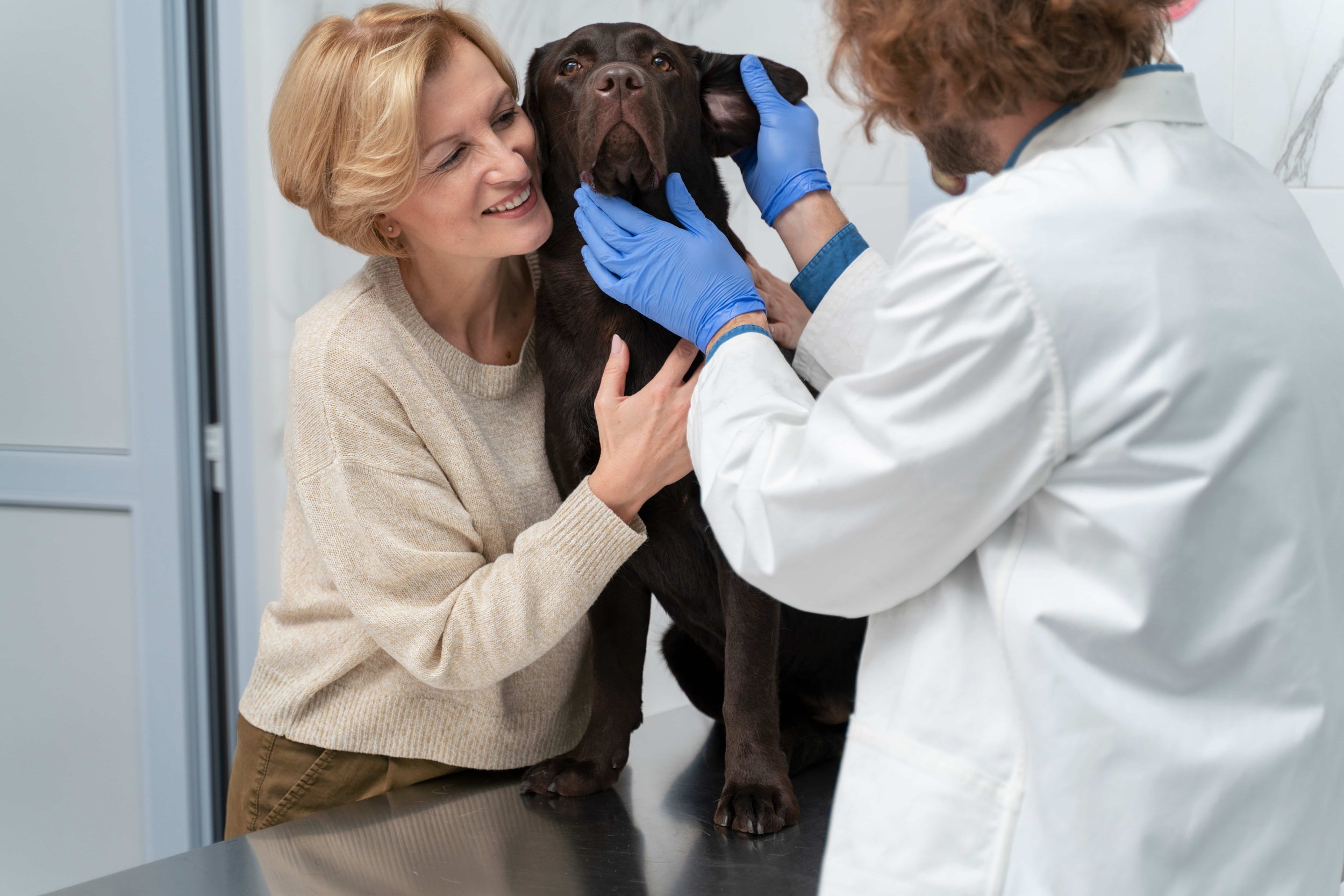
When a beloved pet develops a serious illness, experiences age-related decline, or begins struggling with everyday activities, it can be difficult to know how they feel and what they need. You may notice differences in appetite, mobility, energy or behavior without knowing whether these signs indicate discomfort or a more significant decline in well-being.
A pet quality-of-life assessment helps you evaluate your companion's physical health, emotional well-being, and ability to enjoy daily activities. Rather than relying on a single difficult day or an uncertain feeling, this process provides an opportunity to review symptoms, identify potential improvements, and explore appropriate options with a veterinarian.
At Angel's Paws, these evaluations are an important part of compassionate, individualized support. They help families understand their pet's current needs, recognize opportunities to improve daily life, and make informed decisions about the future.
What Is a Pet Quality-of-Life Assessment?
A pet quality-of-life assessment evaluates an animal's overall well-being. It considers more than a diagnosis or the presence of a medical condition. It examines how your pet feels, functions, interacts with loved ones, and experiences everyday activities.
Some pets continue to show affection or enjoy familiar routines despite experiencing pain, fatigue, or other physical challenges. In other cases, seemingly minor symptoms become more significant when they occur frequently or interfere with normal activities.
A structured evaluation helps bring these observations together. Your veterinarian can examine medical concerns, review treatment options, and determine whether additional support could improve your pet's experience.
The goal is not to make an immediate end-of-life decision. Instead, it is to understand your companion's current well-being and identify the most appropriate next steps.
Signs Your Pet May Benefit From an Assessment
Consider requesting an evaluation if you notice any of the following:
- Appetite and hydration: Eating or drinking less, difficulty chewing, nausea, or unexplained weight loss.
- Mobility and independence: Struggling to stand, climb stairs, walk, get comfortable, or reach food and water.
- Physical discomfort: Restlessness, unusual posture, increased vocalization, sensitivity to touch, or difficulty settling down.
- Hygiene and daily function: Difficulty grooming, toileting, staying clean, or moving away from soiled bedding.
- Social interaction: Withdrawing from family members or showing less interest in favorite activities.
- Emotional well-being: Increased anxiety, confusion, agitation, or difficulty relaxing.
- Enjoyment of life: Fewer moments of curiosity, playfulness, affection, or engagement with familiar surroundings.
These signs do not automatically mean your pet's quality of life is poor or that end-of-life services are necessary. Many symptoms can improve with veterinary treatment or simple environmental adjustments. The important step is identifying their underlying causes and determining whether your pet can feel better with appropriate intervention.
How Assessments Help You Understand Your Pet's Needs
When a pet's health declines gradually, it can be difficult to recognize how much their daily experience has shifted. You may adapt to new routines without realizing how often your companion struggles or how much assistance they require.
A structured review offers an opportunity to step back and consider the bigger picture.
Evaluating Good Days and Difficult Days
One practical way to monitor well-being is to record your pet's daily experiences. Note whether they eat comfortably, rest peacefully, move without significant difficulty, and participate in activities they enjoy.
Use a calendar or journal to track positive days, difficult periods, symptoms, and notable behaviors. Over time, this record can reveal patterns that might otherwise go unnoticed.
For example, a pet with arthritis may still enjoy spending time with family but increasingly struggle to stand after resting. Another pet with a progressive illness may continue eating favorite treats while experiencing greater fatigue or discomfort.
Sharing these observations with your veterinary team provides a clearer picture of your pet's day-to-day experience and helps guide treatment decisions.
Looking Beyond Physical Symptoms
Quality of life includes physical, emotional, and social well-being. A diagnosis alone cannot fully explain how an animal experiences an illness.
An evaluation may consider whether your pet rests peacefully, maintains familiar relationships, responds to loved ones, and participates in meaningful activities.
It is equally important to determine whether symptoms can be managed effectively. For example, a pet experiencing pain may improve with appropriate medication, supportive bedding, mobility assistance, or other veterinary recommendations.
By considering these factors together, you can better understand what your pet needs to remain as comfortable and engaged as possible.
What Happens During a Pet Quality-of-Life Assessment?
An assessment provides time to review your pet's medical history, share observations, and explore possible next steps with veterinary guidance.
The evaluation may cover several important areas:
- Medical history and prognosis: Your pet's diagnosis, current treatments, and expected disease progression.
- Pain and symptom control: Whether pain, nausea, breathing difficulties, anxiety, or other symptoms are adequately managed.
- Everyday function: The ability to eat, drink, move, rest, eliminate, and maintain hygiene.
- Emotional well-being: Interest in family interactions, familiar routines, and enjoyable activities.
- Caregiver observations: What you have noticed at home, including behavior, comfort, and functional abilities.
- Available approaches: Whether treatment adjustments, supportive therapies, hospice services, or further veterinary evaluation may be beneficial.
You will also have an opportunity to ask questions. Find out what to expect as the illness progresses, which symptoms require prompt attention, and what resources are available if your pet's needs become more complex.
Using Assessment Findings to Improve Daily Life
An evaluation is most valuable when it leads to a practical plan. Depending on your pet's condition, recommendations may focus on symptom relief, environmental adjustments, treatment changes, or preparation for future needs.
Comfort-Focused Changes at Home
Small modifications can make a meaningful difference for pets experiencing weakness, stiffness, or reduced mobility.
Your veterinarian may recommend:
- Providing soft, supportive bedding in a quiet, accessible area.
- Placing rugs or nonslip mats on smooth floors to improve traction.
- Keeping food and water within easy reach.
- Making litter boxes or toileting areas easier to access.
- Maintaining a comfortable room temperature.
- Adjusting activity levels to match your pet's energy and abilities.
- Establishing a consistent routine that allows sufficient time for meals, rest, and movement.
These adjustments can help pets maintain greater independence while reducing the physical demands of everyday activities.
Reviewing Treatment and Symptom Management
An assessment may reveal symptoms that need additional veterinary attention. Pain, nausea, constipation, anxiety, breathing difficulties, and appetite loss can all affect overall well-being.
Depending on the underlying condition, your veterinarian may recommend medication adjustments, further testing, supportive therapies, or other interventions. Follow-up evaluations can help determine whether these measures are making a meaningful difference.
Quality of life is not necessarily fixed. Even when an illness cannot be cured, appropriate treatment may improve comfort and function.
When Assessment Findings Lead to a Hospice Conversation
For some pets, the findings indicate that additional comfort-focused support may be beneficial. This is often the case when an animal has a terminal diagnosis, a progressive chronic condition, or age-related limitations that increasingly interfere with daily activities.
Veterinary hospice prioritizes symptom relief and quality of life rather than curing a life-limiting illness. Depending on individual needs, services may include medication guidance, nutrition support, mobility assistance, ongoing evaluations, and caregiver education.
Angel's Paws' True Pet Hospice program helps families understand their companion's evolving needs and develop an individualized approach to supportive care.
A hospice conversation does not automatically mean euthanasia is imminent. Instead, it provides an opportunity to explore ways to maintain well-being, understand likely developments, and prepare for future decisions.
Regular reassessment remains important because your pet's needs may evolve over time.
How Quality-of-Life Assessments Guide End-of-Life Decisions
One of the hardest responsibilities of caring for an aging or seriously ill pet is determining when available treatments can no longer provide an acceptable level of well-being.
A quality-of-life assessment helps you approach this question with greater clarity. By reviewing symptoms, daily function, emotional health, and enjoyment of life, you and your veterinarian can determine whether the current plan remains appropriate.
When suffering outweighs the benefits of continued treatment, or symptoms can no longer be adequately controlled, humane euthanasia may become an important consideration.
This decision is deeply personal and should reflect your pet's individual circumstances, veterinary findings, and the available options for relieving distress. No single symptom or assessment score should determine the outcome on its own.
Recognizing When Your Pet Needs Additional Support
During ongoing evaluations, you may notice that difficult days are becoming more frequent, favorite activities are losing their appeal, or essential tasks such as eating, drinking, moving, and resting are increasingly challenging.
Persistent pain, uncontrolled symptoms, and breathing difficulties warrant prompt veterinary attention.
Ask your veterinarian which problems may be treatable, what improvements are realistic, and how to recognize when your pet's well-being is no longer being adequately maintained.
Planning ahead allows you to consider available options before an urgent situation develops. It also gives you time to prepare emotionally and practically while keeping your companion's needs at the center of every decision.
Why In-Home Quality-of-Life Support Matters
For pets that become weak, anxious, or uncomfortable during travel, receiving veterinary guidance at home may make the evaluation process easier.
Familiar surroundings allow your veterinary team to review practical challenges where your pet spends most of their time. Together, you can identify obstacles to movement, assess resting areas, and consider modifications that may make everyday activities easier.
Home-based support also gives families opportunities to ask questions, share observations, and understand what to monitor between appointments.
If euthanasia eventually becomes the most compassionate option, in-home services may allow your pet to remain in familiar surroundings with loved ones nearby. Angel's Paws offers home euthanasia for families who choose this approach.
Whether the next step involves treatment adjustments, hospice, continued monitoring, or end-of-life planning, individualized guidance can help you understand your choices.
Making Informed Decisions With Veterinary Guidance
It is natural to question whether you are doing enough for your pet or recognizing discomfort accurately. A structured assessment can replace some of that uncertainty with documented observations, medical information, and a clearer understanding of available choices.
To prepare, keep notes about your pet's appetite, mobility, sleep, symptoms, behavior, and interest in favorite activities. Bring questions about the illness's expected progression, potential treatments, and ways to improve daily life at home.
You may also want to establish how frequently your pet should be reevaluated and which symptoms should prompt an earlier appointment.
Angel's Paws offers pet hospice, in-home euthanasia, private cremation, memorial services, pet loss support groups, and grief counseling. When appropriate, our team can work with your primary veterinarian to connect ongoing medical treatment with supportive services and end-of-life planning.
Our goal is to help families understand their choices and make thoughtful decisions based on their pet's individual needs.
Start With a Pet Quality-of-Life Assessment
You do not have to wait for a crisis to ask whether your pet's well-being has declined. If you have noticed differences in mobility, appetite, behavior, comfort, or enjoyment of everyday activities, an assessment can be a valuable first step.
This process helps you understand your pet's current needs, identify opportunities for improvement, and prepare for possible developments. It also creates space to explore hospice and end-of-life options if they become appropriate.
At Angel's Paws, we provide compassionate guidance, individualized planning, and services designed to help you navigate this stage of your pet's life.
Explore Quality-of-Life Assessments With Angel's Paws
Contact Angel's Paws to learn more about veterinary quality-of-life assessments. Our team can help you evaluate your pet's well-being, review available services, and plan for their changing needs. Together, we can focus on what matters most: your companion's dignity, happiness, and quality of life.